A few days after a new law goes live, the internet does what it always does: panic, half-truths, and hot takes. The problem is that if you run SMS campaigns for yourself or clients, one wrong assumption can turn a winning AI automation offer into a legal headache with real financial risk. What we are going to do right now is cut through the noise, explain what changed, who is in scope, what the practical next steps are, and how you can keep building a real AI income stream without guessing.
What Texas SB 140 actually changes (in plain English)
Texas SB 140 expands the state’s telemarketing framework so that certain marketing text messages are treated similarly to telemarketing calls, with new compliance obligations tied to texting into Texas or from Texas. Many summaries of the law highlight the registration concept, including an annual registration fee and a required $10,000 security amount (often handled as a surety bond) for businesses that are required to register.
Why this matters if you want to make money with AI
If you are using AI to book appointments, reactivate databases, or run performance based outreach, SMS is usually the fastest path to cash flow because it creates conversations that convert. That is exactly why you cannot treat compliance like an afterthought, because one campaign can involve hundreds or thousands of messages, and Texas SB 140 is widely discussed as having meaningful per violation exposure.
Who is in scope (and why agencies are not automatically “safe”)
Common guidance around SB 140 is that it can apply if you send marketing texts to Texas residents or if you send marketing texts from a Texas location, even if your business is based elsewhere. In practice, that means we treat “Texas in the contact record” as a risk trigger and we also treat “operating in Texas” as a separate trigger you should review with counsel.
Also, do not assume your software platform takes the liability for you. SB 140 commentary consistently frames compliance as falling on the business conducting the solicitation activities rather than the tool itself.
The registration basics you need to know
Multiple compliance summaries note that businesses that are required to register may need to file with the Texas Secretary of State, pay a $200 fee, and post a $10,000 security amount (often via a bond) before sending covered solicitations. Some legal write ups also describe operational obligations that can come alongside registration, such as disclosures and recordkeeping.
Important: we are not your lawyers, so treat this as operational marketing guidance, not legal advice, and get an attorney’s interpretation for your exact situation.
Penalties and why you should take this seriously
A major reason this law created so much noise is the link to the Texas Deceptive Trade Practices Act (DTPA) discussed in legal analysis of SB 140, which can expand enforcement and private litigation risk. Industry guidance for marketers commonly cites potential penalties up to $5,000 per text for non compliance scenarios described under SB 140 related enforcement frameworks.
Unique strategy most people miss: turn “Texas compliance” into a sales advantage
Here is the mindset shift that changes everything: you do not need to build your agency around blasting cold lists in a brand new market. Instead, you can build your revenue around database reactivation and “old leads” where the business already has a relationship, better context, and cleaner consent signals.
That matters because your best business model is not “send more texts.” Your best business model is “send smarter texts to warmer people, with AI doing the follow up.”
If you want the cleanest offer positioning, lead with: “We help you pull appointments and revenue out of leads you already paid for.” That angle pairs naturally with your AI automation delivery, and it reduces the pressure to take compliance risks just to get results.
If you want to see what results this kind of business can get, check out Aaron’s interview where he went from tech-noob to a serious player in AI sales within a few months.
Action plan: what to do right now (step by step)
Step 1: Decide your short term posture for Texas
Pick one of these two paths for the next 14 to 30 days while you get proper legal guidance:
Option A: Temporary exclude Texas from promotional SMS
This is the fastest risk reduction move if you are unsure about registration or exemptions, because it prevents accidental “in scope” sends while you keep running campaigns elsewhere. Practical implementations are commonly described as filtering contacts by state and excluding them from sends.
Option B: Move forward with registration after counsel confirms you are required
If counsel confirms you must register, be prepared for the $200 fee and the $10,000 security requirement that many SB 140 summaries mention.
Step 2: Audit your contact data quality (this is where most agencies fail)
If your CRM state fields are blank or messy, “exclude Texas” will not actually exclude Texas. Your checklist:
Ensure every contact has a valid state value before they can enter an SMS workflow.
If state is unknown, treat it as “do not text” until enriched.
If you import lists, normalize state values (TX vs Texas) consistently.
Step 3: Use consent tracking and opt out management like a real operator
Even apart from SB 140, serious SMS operations must handle consent and opt out cleanly to protect deliverability and reduce complaints, and SB 140 summaries often include “compliance like telemarketing” framing that makes sloppy operations dangerous.
In HighLevel or any similar platform, your minimum standard is:
Store the consent source and timestamp per contact.
Provide simple opt out language and honor it immediately.
Maintain an internal “do not contact” status that removes the contact from all promotional workflows.
Step 4: Add “quiet hours” and pacing to reduce complaints
Some compliance guidance highlights operational controls like quiet hour enforcement and pacing as best practices when texting at scale. Even if your tool supports this imperfectly today, you can still implement it operationally by limiting send windows and throttling workflow volume.
Step 5: Build your AI offer around old leads and warm lists
This is the business building move that keeps you profitable even while laws change:
Pitch reactivation to existing customers and past inquiries first.
Use AI to handle the conversation, qualification, and scheduling.
Get paid on performance where possible, because it lowers client risk and speeds up decisions.
If you need ideas for what to sell when acquisition slows down, this post is directly relevant: https://flexxable.com/what-to-offer-clients-when-the-leads-run-out/
Step 6: Make your SMS engine scalable inside HighLevel
If you are running volume, you will run into sending limits, and that becomes a bottleneck for your agency growth. We break down practical ways to handle HighLevel SMS limits here: https://flexxable.com/how-to-increase-sms-limits-in-highlevel/
Step 7: Get your messaging infrastructure right (A2P and trust signals)
If you want stable deliverability in the US, you also need to understand A2P verification and registration requirements that affect throughput and trust. We have a full walkthrough here: https://flexxable.com/the-ultimate-guide-to-a2p-verification-with-go-highlevel/
Compliance checklist you can copy into your SOP
Use this as your “no guesswork” operating standard:
We do not send promotional SMS to any contact with unknown state.
We exclude Texas contacts from promotional workflows until counsel confirms our posture.
We store consent source and timestamp for every SMS enabled contact.
We enforce opt outs immediately across all workflows.
We limit send windows and pace high volume campaigns to reduce risk signals and complaints.
We review whether registration applies, including the $200 fee and $10,000 security requirement described in SB 140 summaries.
Where The Instant AI Agency fits (and how to use it without overcomplicating things)
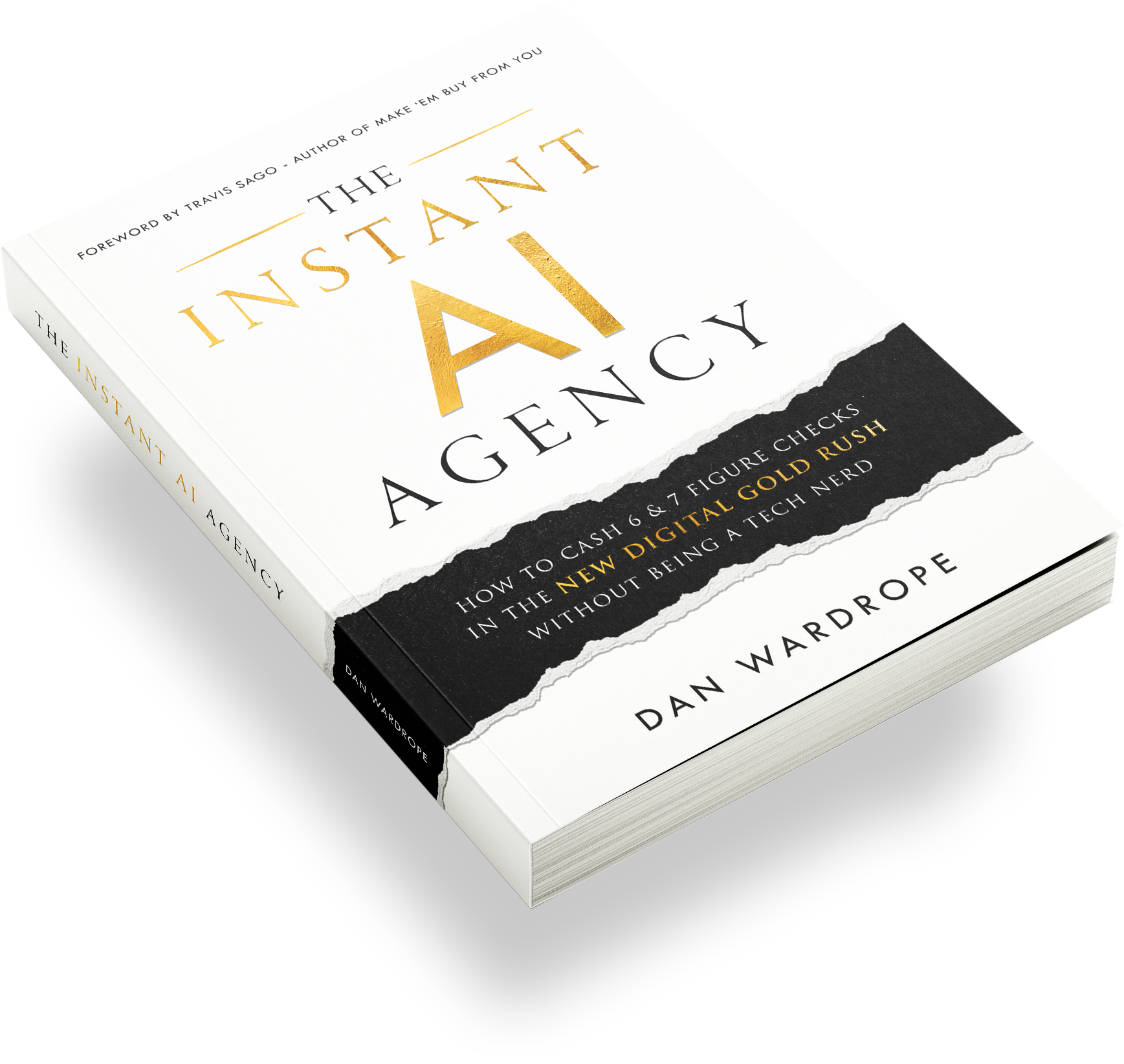
If your goal is to escape the 9 to 5 by building an AI driven agency, the simplest path is selling outcomes, not software setup. The Instant AI Agency is useful here because it aligns with a performance based, database reactivation style offer where AI and SMS drive appointments and sales. If you want the framework, you can check it out here.
Conclusion
Texas SB 140 is a real compliance change for SMS marketers, but it does not need to wipe out your business model. When we focus on warm databases, strong consent operations, clean segmentation, and a simple “exclude Texas until confirmed” posture, we can keep generating revenue with AI while reducing risk and staying operational.
What is your current situation: are you texting Texas now, excluding Texas, or planning to register after speaking with counsel?