Picture this. You have just built your first AI automation offer. You are excited, your tech works, and then a business owner asks the one question that stops most beginners cold: “So how much does this cost me?” Silence. A shrug. A number pulled out of thin air.
We have watched this exact moment kill more deals than bad tech ever could. The good news is that pricing an AI automation service is not about guessing, it is about following a simple, repeatable framework that we and our students use with real clients every single week. In this post, we will walk you through exactly how to price your AI automation service so you stop leaving money on the table and start closing deals with confidence.
Why Pricing Is The Real Bottleneck For AI Agencies
Most people trying to build an AI automation agency get stuck not because their tech is broken, but because they cannot confidently answer “how much should I charge.” Once you nail your pricing, everything else in your sales process becomes easier, because clients move from “let me think about it” to “when do we start.” If you are still working out your niche and offer before you even get to pricing, our guide on how to find your vertical is a good place to start.
Start With The Offer Of The Century
Before you can price anything, you need an offer that removes risk for the client. The one we use with students right now is simple, we call it the offer of the century: we turn a business’s old, dead leads into booked appointments or sales using AI and SMS, on a pure performance basis. If they do not get paid, we do not get paid.
There are no upfront fees, no risky contracts, and no confusing tech jargon involved. This performance first structure is exactly why AI automation agencies are exploding right now, and you can see the full breakdown of building one from scratch in our post on how to build an AI automation agency for 0 dollars
Diagnose Before You Price: The Doctor's Diagnosis Method
Never quote a price before you understand the business. We call this the doctor’s diagnosis, and it is the single most overlooked step in pricing an AI automation service. On a discovery call (we call these coffee dates), ask the business owner these questions before saying a single number:
How many leads do you generate each month?
How many of those leads turn into booked appointments?
What is your average close rate?
What is a customer worth to you in gross profit?
What is your gross profit per sale?
How large is your database of old or dormant leads?
You are absorbing information here, not pitching. Write it down, type it out, and only move to pricing once you fully understand the patient in front of you.
Two Core Pricing Models You Can Use Today
Once you have the numbers, you have two proven pricing structures to choose from. Both remove risk for the client, which is exactly why they say yes so quickly.
Per Appointment Pricing
If a client generates, say, 100 leads a month and has 5,000 old leads sitting dormant, and each sale is worth 3,000 dollars in gross profit with a 1 in 10 appointment to sale close rate, you might charge 120 dollars per booked appointment. That means the client pays 1,200 dollars to make 3,000 dollars from a single sale, a return that is almost impossible to say no to. A similar rule of thumb for calculating what to charge per lead is outlined in our lead pricing guide, where we divide average order value by three and apply a conversion percentage to land on a fair number.
Profit Share (Backend) Pricing
If you would rather take a cut of revenue instead of a flat fee, offer a 50/50 profit share on any sales generated from the client’s database. Using the same 3,000 dollar deal example, that is 1,500 dollars per sale, and the client pays nothing until cash actually lands in their account. This model works especially well in industries with fast sales cycles, where a lead can turn into a paying customer within days.
The Anchor Point Method
Use an anchor number, like cost per appointment or the client’s own customer value, to frame your price against a return they already understand. When a client says “I pay 12 dollars to make 3,000 dollars,” the math does the selling for you. This is what we mean by anchoring, it protects your cash flow while making your offer feel like a no-brainer rather than an expense.
Why A Test Deal Builds Trust Fast
You might be worried about a client lying about results to avoid paying you. That is exactly why every deal should start with a small test run before you commit long term. A test lets you see how the client communicates, how their sales team actually handles leads, and whether they are transparent or shady about outcomes. If you spot red flags like blame shifting or missed follow ups, walk away, because a small test protects you from taking on risk with an unreliable partner.
Setup Fees And Covering Your Costs
Performance pricing does not mean working for free upfront. You can add a setup fee ranging anywhere from 500 dollars to 10,000 dollars, and some agencies have charged as much as 20,000 dollars for larger, more complex builds. Alternatively, you can pass SMS and AI usage costs directly to the client, or bake them into your per appointment or backend rate.
It helps to know that AI and SMS costs are dramatically cheaper than paid ad platforms. Recent data shows SMS marketing delivers conversion rates between 21 percent and 40 percent, with businesses generating roughly 71 dollars for every 1 dollar spent on SMS campaigns. Compare that to the rising cost per click on Meta or Google ads, and you can see why margins on AI automation offers are so much bigger, giving you room to absorb risk that traditional PPC agencies cannot. We have documented similar results in our own case study showing an 841 percent ROI for an ecommerce client using this exact database reactivation approach.
When To Add A Monthly Retainer
For larger clients with a strong database, an established sales team, and a genuinely great offer already in place, consider layering in a monthly retainer, a maintenance fee, or per-asset charges as you build out more automations. The key is transparency, always make the value of what you are delivering obvious before you ask for recurring revenue.
Pricing Model Comparison At A Glance
| Model | Best For | Client Risk | Your Cash Flow Speed |
|---|---|---|---|
| Per Appointment | Beginners, no case studies yet | Very low | Fast, paid per booking |
| Profit Share (50/50) | Clients wary of upfront costs | Very low | Fast, once sale closes |
| Setup Fee + Backend | Larger builds, complex automations | Low to medium | Immediate partial payment |
| Monthly Retainer | Established clients wanting ongoing work | Medium | Predictable, recurring |
There Is No Single Right Way To Charge
Some clients want performance-only deals. Others are used to paying upfront and prefer it. Some love a monthly retainer, and others want to test the waters first. Your job is not to force one model on everyone, it is to listen, ask the right diagnostic questions, and match the pricing structure to what that specific business actually needs.
Common Questions About Pricing AI Automation Services
What if I do not have case studies yet? Start with a small test deal on a performance basis. This removes the client’s risk and lets your results become your first case study.
How do I know if per appointment or profit share is better? Use per appointment pricing when the sales cycle is longer or harder to track, and profit share when the sales cycle is short and easy to attribute, such as ecommerce.
Is SMS really cheaper than running ads? Yes. SMS messages see open rates around 98 percent according to the Mobile Marketing Association, and sales teams using SMS follow-up see over 112 percent higher lead-to-engagement conversion compared to other channels.
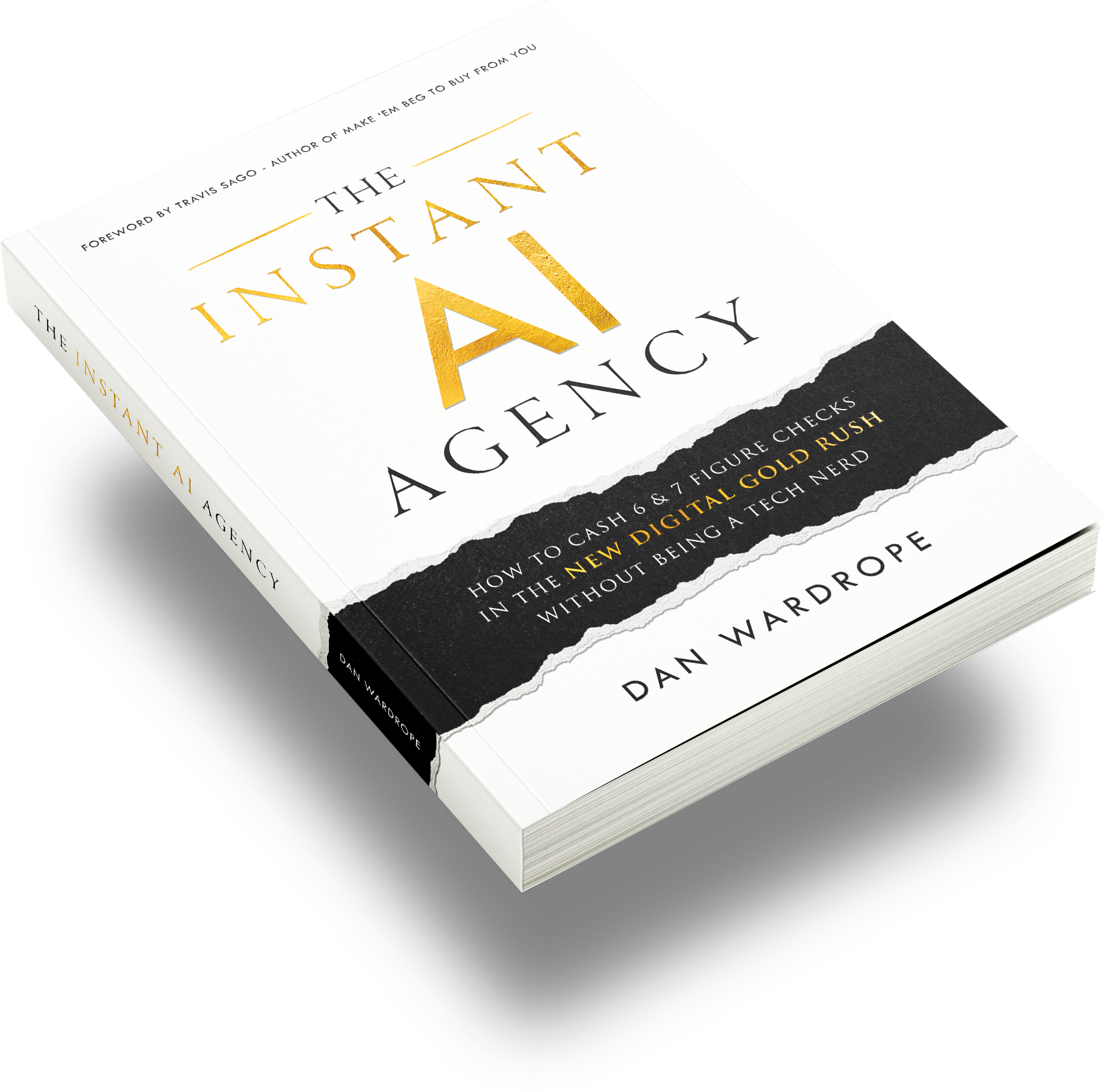
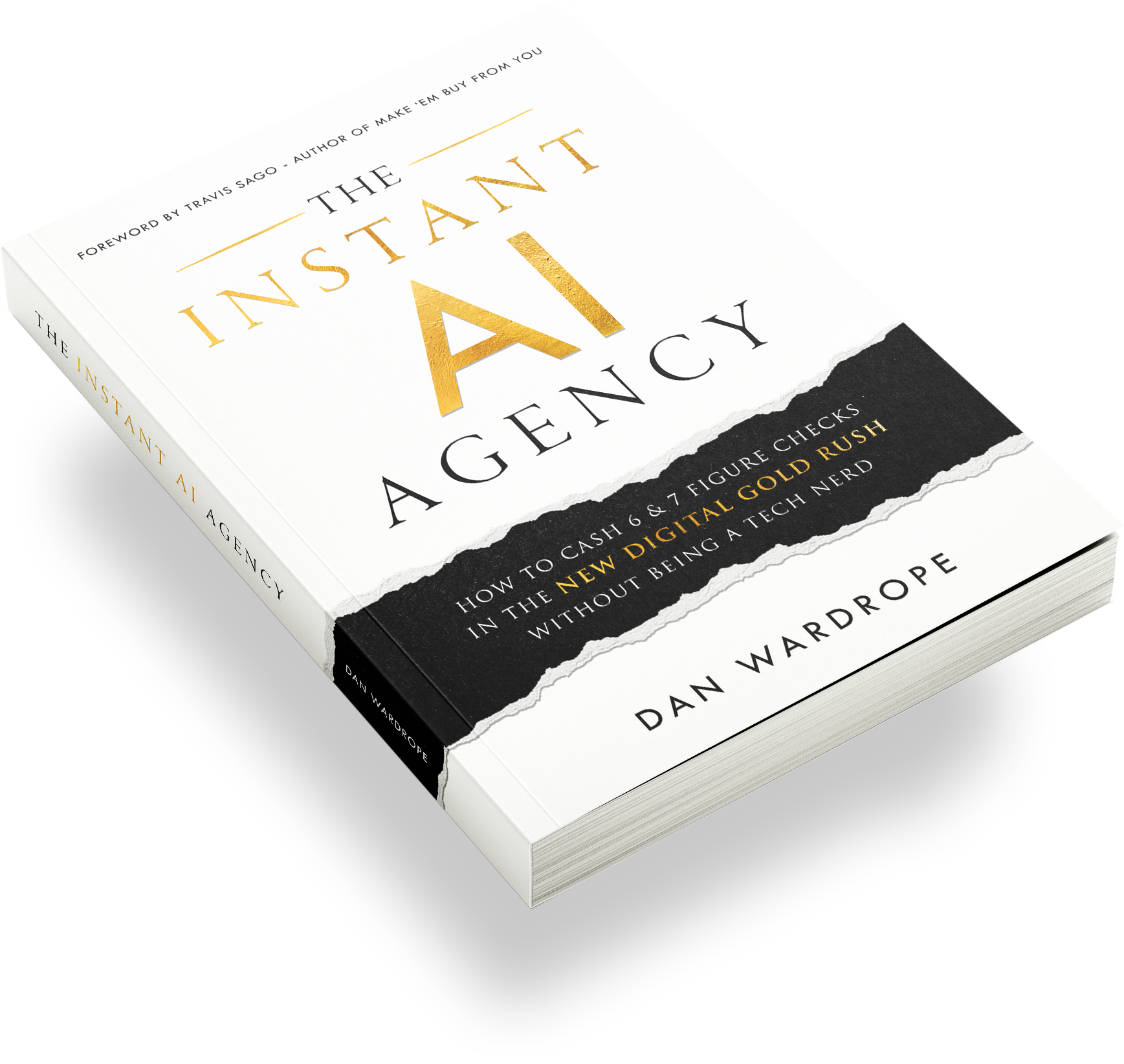
If you want a full, structured blueprint for building and pricing your AI automation agency from the ground up, including the exact scripts we use on client calls, check out The Instant AI Agency. It walks you through the entire offer of the century system step by step.
Conclusion
Pricing your AI automation service does not need to be a guessing game. When you understand your client’s numbers through a proper doctor’s diagnosis, choose between per appointment or profit share pricing, anchor your price against real returns, and start with a small test deal, you remove nearly all the friction that stops businesses from saying yes. Get this right and you stop chasing clients and start fielding “when do we start” instead of “let me think about it.” For a deeper walkthrough of the entire framework, including scripts and objection handling, The Instant AI Agency covers everything we teach our own students.
What pricing model are you currently using for your AI automation service, per appointment, profit share, or something else? Drop a comment below and let us know what has worked for you.